
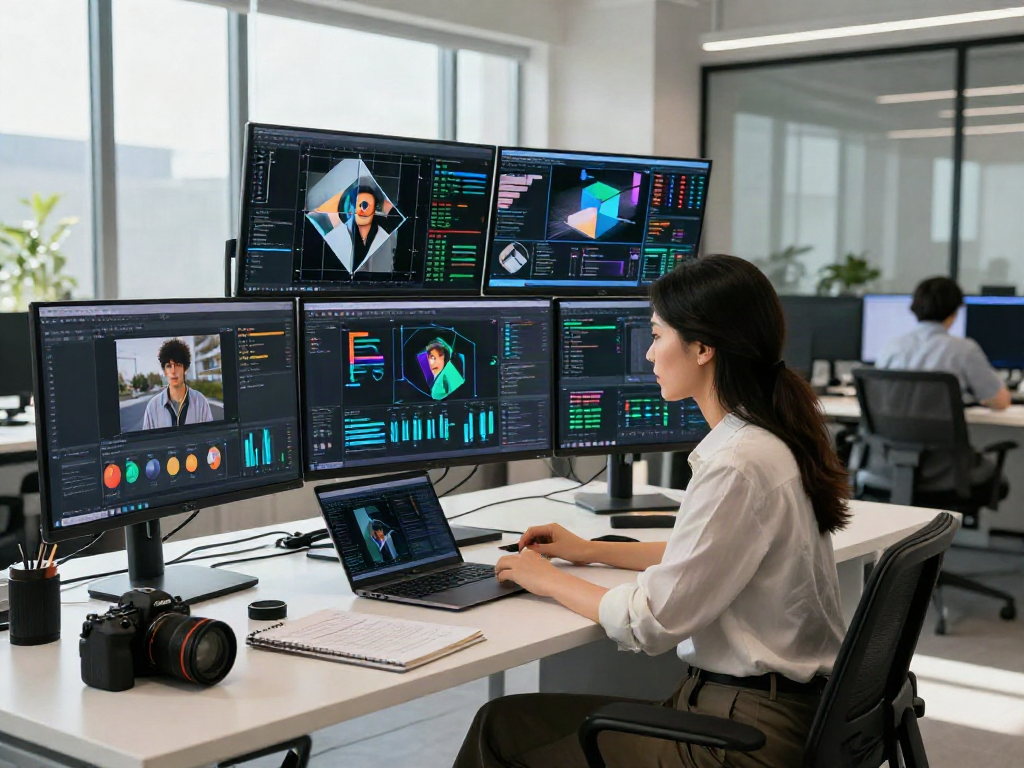
Understanding AI Image Detection Technology
In an age where digital images can be generated with a mere click, understanding the mechanisms behind AI Image Detection has become increasingly important. This technology focuses on identifying images created by artificial intelligence, distinguishing them from genuine photographs taken by human beings. As AI-generated images grow in prevalence, the need for reliable detection methods becomes critical, especially to maintain the integrity of visual media across various industries.
What is AI Image Detection?
AI Image Detection refers to the process of analyzing images to determine whether they have been generated or altered by artificial intelligence. This involves using advanced algorithms and machine learning techniques to evaluate various features within an image, such as pixel distribution, color patterns, and metadata. The increasing sophistication of AI tools means that generated images can often appear indistinguishable from real photographs, making detection essential for authenticity verification.
How AI Image Detection Works
Typically, AI Image Detection systems employ a combination of image analysis techniques to gauge authenticity. These may include:
- Deep Learning Models: These models are trained on vast datasets of both AI-generated and real images, enabling them to learn and identify subtle differences.
- Feature Recognition: The detection process involves identifying key features in images that signify manipulation or artificial generation.
- Statistical Analysis: Statistical tests can reveal inconsistencies in pixel patterns that might indicate an AI origin.
By leveraging these technologies, AI Image Detection tools become more adept at flagging images that may deceive viewers.
Benefits of AI Image Detection in Various Industries
AI Image Detection offers numerous advantages across multiple sectors. Here are a few key benefits:
- Media and Journalism: Ensuring the authenticity of images is critical for maintaining credibility in news reporting. AI Image Detection helps journalists verify images before publication.
- Advertising and Marketing: Businesses must ensure that their marketing materials are genuine and not misleadingly manipulated, protecting brand reputation.
- Legal and Compliance: In legal proceedings, the authenticity of visual evidence can significantly impact outcomes. Detection tools play a vital role in verifying such evidence.
- Education and Research: Educators and researchers can utilize AI Image Detection to confirm the validity of visual materials used in academic and professional contexts.
Key Players in AI Image Detection
Overview of Major Competitors
As the demand for AI Image Detection technologies grows, several key players have emerged, each offering unique solutions:
- ZeroGPT: Known for its comprehensive analysis capabilities, ZeroGPT provides tools to detect AI-generated images effectively.
- Sightengine: This platform offers advanced detection of deepfakes and AI manipulations, enhancing trust in visual content.
- WasItAI: WasItAI is a popular choice for quick verification of photographs, using powerful algorithms to distinguish between human and AI-generated images.
Comparative Analysis: AI Image Detection Solutions
When choosing an AI Image Detection tool, it's essential to consider various factors such as accuracy, speed, and usability:
- Accuracy: The effectiveness of detection methods can vary significantly. Tools should be tested for false positives and negatives.
- User Experience: A user-friendly interface can greatly enhance the efficiency of image verification processes.
- Integration Capabilities: Solutions that easily integrate with existing workflows are preferable for organizations.
Emerging Startups and Innovations in 2026
In 2026, new startups are emerging with innovative approaches to AI Image Detection. These companies are leveraging cutting-edge technologies such as blockchain for verification and real-time analysis capabilities powered by cloud computing. Innovations in neural networks and transfer learning are also set to enhance the accuracy and speed of detection systems significantly.
Challenges and Limitations of Current Solutions
Common Misconceptions about AI Image Detection
Despite the advancements in AI Image Detection, several misconceptions persist:
- All AI-generated images can be detected: While many can be identified, some highly sophisticated models may evade detection.
- Detection is foolproof: False positives and negatives do occur, and users must understand the limitations.
Technical Challenges in Image Analysis
Technical complexities such as image quality, resolution, and the evolving nature of AI generation techniques pose significant challenges. High-resolution images may hide subtle artifacts, making detection harder.
Understanding False Positives and Negatives
False positives occur when a legitimate image is incorrectly flagged as AI-generated. Conversely, false negatives happen when AI-generated images go undetected. Understanding these errors is vital for developers to improve systems and ensure user trust.
Implementing AI Image Detection in Your Workflow
Step-by-Step Guide to Integrating AI Image Detection
Integrating an AI Image Detection system into your workflow involves several steps:
- Identify Needs: Determine the specific requirements for image verification within your organization.
- Select a Tool: Choose an AI Image Detection solution that fits your needs, considering factors like cost, accuracy, and ease of use.
- Train Staff: Provide necessary training for staff to maximize the effectiveness of the detection tool.
- Monitor Performance: Regularly assess the tool's performance and adjust as necessary based on feedback.
Best Practices for Effective Image Analysis
To achieve the best outcomes when using AI Image Detection, consider these best practices:
- Stay Updated: Regularly update detection software to adapt to new AI generation techniques.
- Use Multiple Tools: Cross-verify images using different detection tools to increase reliability.
- Educate Users: Ensure that all users understand the capabilities and limitations of the detection technology.
Measuring Success: Key Performance Indicators
Establishing KPIs is crucial for measuring the success of AI Image Detection implementation:
- Detection Accuracy: The percentage of correct identifications made by the system.
- User Satisfaction: Feedback from users regarding the effectiveness and ease of use of the tool.
- Time Efficiency: The time taken to analyze and report on images.
The Future of AI Image Detection
Trends Shaping AI Image Detection in 2026 and Beyond
As we move into 2026, several trends are shaping the landscape of AI Image Detection:
- AI for AI: Emerging models that use AI to detect AI-generated content will become more prevalent.
- Real-time Detection: The demand for instantaneous detection capabilities will rise, especially in sectors like social media.
Ethical Considerations and Privacy Issues
As AI detection systems evolve, ethical considerations will come to the forefront. Concerns over privacy, the potential misuse of detection technology, and the implications of false identification must be addressed.
Preparing for the Next Wave of Innovation
Organizations should remain vigilant and adaptable, preparing for new innovations in AI Image Detection technology. Continuous research and development, along with collaboration between tech companies and regulatory bodies, will be essential for creating robust solutions that protect users from deception in visual media.
What are the most effective AI Image Detection tools?
The effectiveness of AI Image Detection tools can vary based on their algorithms, datasets, and specific application needs. Leading tools often combine multiple detection methodologies for superior accuracy.
Can AI Image Detection be bypassed?
While some techniques exist to evade detection, continual advancements in AI detection technologies are closing the gaps that allow for such bypasses.
How accurate is AI Image Detection technology?
The accuracy of AI Image Detection varies by tool and context, but many modern systems achieve high levels of precision, especially with well-defined datasets.
Are there limitations to AI Image Detection?
Limitations do exist, including challenges in handling novel image generation techniques and the potential for misclassifications due to complex visual data.
How to choose the best AI Image Detection software?
Selecting the right AI Image Detection software involves assessing your specific requirements, evaluating tool capabilities, and considering user feedback and industry reviews.