
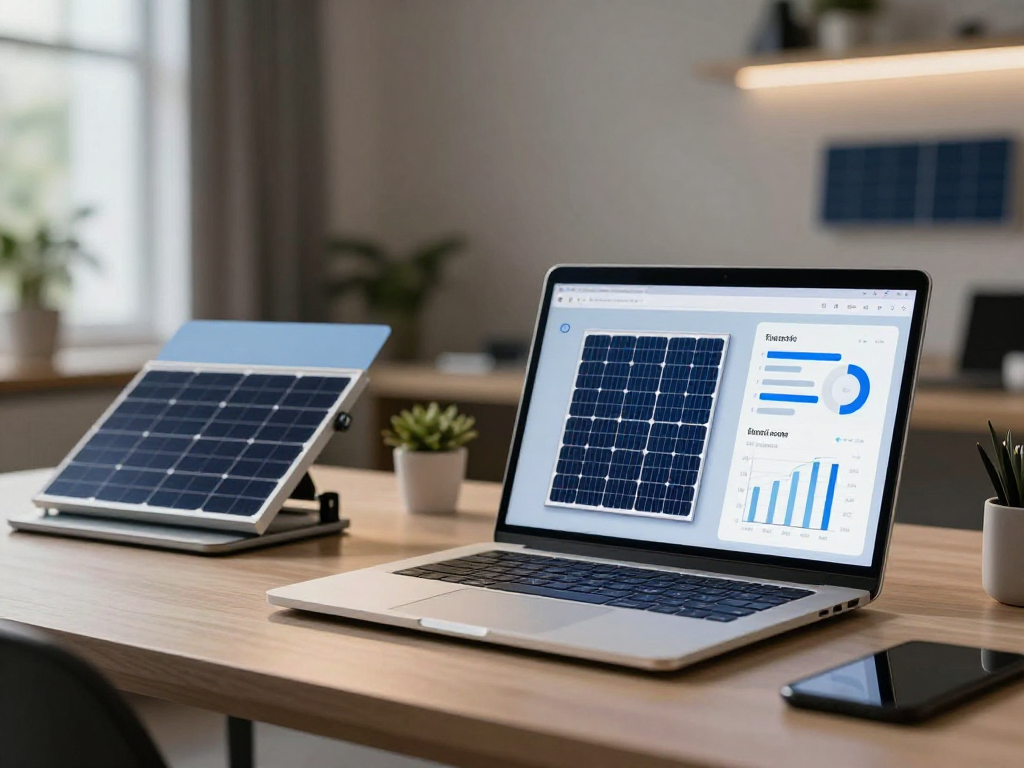
The Future of Solar Energy in Illinois by 2026
As we move toward 2026, the landscape of solar energy in Illinois is evolving rapidly. Homeowners are faced with critical decisions regarding energy consumption, costs, and sustainability practices. Given the steady rise in electric rates and the expiration of federal incentives, many are left wondering: is solar energy worth the investment? Utilizing solar power can significantly decrease electricity bills and provide a buffer against future rate hikes, particularly in a state where electric costs are projected to remain elevated. For those assessing their options, illinois solar incentives 2026 can offer important insights into current subsidies available to residents.
Overview of Illinois Solar Incentives
The Illinois government has established a variety of incentives to encourage homeowners to adopt solar energy. As of 2026, the primary financial incentives include the Illinois Shines program, which offers Renewable Energy Credits (RECs) to homeowners who install solar systems. Furthermore, for homes installed with smart inverters, a rebate of $300 per kilowatt (kW) is available. Homeowners can obtain these credits and rebates, significantly reducing the upfront costs associated with solar panel installation.
In addition to RECs, Illinois homeowners can benefit from net metering, which allows them to receive credits for the excess energy their solar systems generate and send back to the grid. This offset can lead to substantial savings over time, especially as utility rates continue to rise.
The Impact of Rising Electric Rates
Electricity prices in Illinois have surged in recent years, with prices currently approximately 50% higher than they were two years ago. Record grid auctions have driven these costs up and are expected to keep them elevated well into 2029. The recent rates, such as ComEd’s Price to Compare effective June 1, 2026, is set at 10.399 cents per kilowatt-hour (kWh), while Ameren’s summer rate stands at 11.326 cents per kWh. These increases further emphasize the need for alternative energy solutions, making solar an increasingly attractive option for homeowners looking to escape rising utility costs.
Benefits of Solar for Homeowners
Solar energy not only provides a way to save on rising electric bills but also offers several environmental and economic benefits. By generating their own power, homeowners can significantly reduce their carbon footprint and reliance on fossil fuels. Additionally, investments in solar can add value to properties; homes equipped with solar panels have shown to sell at higher prices in the real estate market.
Storage solutions paired with solar systems, such as batteries, further enhance energy independence. During blackout situations, battery storage can provide essential power, thereby maintaining home functionality and comfort when the grid is down.
Understanding the Cost-Benefit Analysis
Making an informed decision about solar energy requires a comprehensive cost-benefit analysis that takes into account both immediate savings and long-term value. Homeowners must factor in the installation costs of solar systems, the potential savings on electric bills, and the available state and federal incentives that might offset initial expenses.
Calculating Potential Savings
To accurately assess whether solar is a good investment for your home, you need to calculate potential savings based on your current electricity usage and rates. For instance, many good-fit homes can expect solar installations to cover around 80-100% of their energy consumption. It's essential to know your energy needs to generate a precise estimate on how solar could reduce your energy costs.
Determining Eligibility for Incentives
Not all homes qualify for solar incentives, and specific qualifications apply depending on the electrical utility serving your area. In Illinois, programs are primarily available for residents under the jurisdiction of ComEd and Ameren. Furthermore, factors such as roof orientation, shading, and historical energy usage will play into whether solar is a viable option for you.
Long-Term Versus Short-Term Investments
When considering solar, homeowners need to evaluate both short-term and long-term investment scenarios. While the initial outlay may seem high, the savings accrued over time can offer a substantial return on investment. With most solar systems expected to last 25 years or more, the cumulative savings on energy costs can outweigh the initial installation costs significantly.
Implementation Strategies for Solar Systems
Successfully implementing a solar energy system in your home involves several key strategies, from selecting the right technology to understanding the installation process and ongoing maintenance requirements.
Choosing the Right Solar Technology
There are various types of solar technologies available, including photovoltaic (PV) systems that convert sunlight directly into electricity, and concentrating solar power systems that use mirrors or lenses to focus sunlight onto a small area. Homeowners typically opt for PV systems due to their efficiency and ease of integration into residential settings.
Installation Process Overview
The installation process for solar panels involves several stages. Initially, a site assessment is conducted to analyze roof conditions and structural integrity, followed by the design of a customized solar energy system. Once approved, the installation team will proceed to mount the panels, connect them to the inverter, and integrate them with the home’s existing electrical system. Proper installation is critical to ensure optimal solar performance.
Maintenance for Optimal Performance
Once installed, solar systems require minimal maintenance. Regular cleaning of the panels and occasional inspections can help maintain their efficiency. Homeowners should schedule periodic professional assessments to check for issues like debris accumulation, shading from trees, or roof damage that could affect system performance.
Consumer Protections in Solar Contracts
Understanding and navigating the fine print of solar contracts is crucial for homeowners. With significant investments at stake, protecting yourself through informed decision-making is paramount.
Navigating the Fine Print
Solar contracts often include complex terms and conditions that can affect the outcome of an installation. Homeowners should carefully review all clauses relating to pricing, warranties, and penalties for early termination before signing. A qualified solar consultant can assist in deciphering these documents.
What to Expect from Solar Providers
Quality of service from solar providers can vary significantly. Homeowners should expect transparency and honesty from their installer regarding costs, timelines, and potential savings. Assessing previous customer reviews can provide valuable insight into a provider’s reliability and quality of service.
Understanding Your Rights as a Consumer
Consumers in Illinois are protected by various laws that regulate how solar contracts are created and enforced. Understanding your rights ensures you are not taken advantage of during the sales process, particularly regarding cancellation, warranties, and compliance with consumer protection laws.
Future Innovations in Solar and Energy Storage
As solar technology continues to evolve, homeowners can expect even more efficient systems and integration possibilities in the near future. Staying informed about these advancements can lead to better decisions concerning solar investments.
Advancements in Battery Technology
Battery technology is rapidly advancing, enabling more efficient energy storage solutions that can work seamlessly with solar power. Newer models are increasingly more affordable and provide higher capacity, reducing the dependency on grid electricity and enhancing energy independence.
Integration with Smart Home Systems
Smart home technology is also beginning to merge with solar systems, allowing for easier energy management. Smart inverters equipped with algorithms can optimize energy usage and storage based on real-time information, maximizing both efficiency and savings.
Emerging Trends in Renewable Energy Solutions
New trends in renewable energy, such as community solar initiatives and virtual net metering, are changing the landscape for those seeking solar power. These emerging solutions can allow even renters to participate in solar without the need for individual installation.
FAQs on Illinois Solar Incentives 2026
As homeowners consider the feasibility of solar installations, common questions arise regarding the specifics of the incentives and how to assess their suitability for solar energy.
What are the current solar incentives for Illinois homeowners?
In 2026, Illinois homeowners can access incentives such as the Illinois Shines program, which provides Renewable Energy Credits and rebates for solar installations. These financial supports are crucial for reducing upfront installation costs.
How do I determine if my home is suitable for solar?
Suitability for solar can be determined by evaluating roof orientation, shading, and energy usage patterns. A professional solar assessment can provide insights into how much solar energy your home could potentially generate.
Can I still benefit from solar without owning my home?
Yes, individuals without home ownership can engage in community solar programs, where they can buy a subscription to benefit from solar energy produced elsewhere, thus gaining access to renewable energy savings.