Understanding the Importance of Kindergarten Singapore
In the rapidly evolving landscape of education, early childhood development has gained paramount importance, particularly in a vibrant city-state like Singapore. The early years, especially in kindergarten, lay the foundation for a child's lifelong learning journey. Research increasingly shows that engaging children in structured educational environments enhances their cognitive abilities, emotional intelligence, and social skills. Kindergarten Singapore programs, such as those offered by Pegasus International Preschool, emphasize inquiry-based learning, which empowers children to explore and learn actively.
Why Early Education Matters for Child Development
Early education plays a crucial role in shaping a child's overall development. The formative years are characterized by rapid brain growth, where children learn to navigate their emotions and develop communication skills. Through targeted educational activities, children not only grasp fundamental concepts but also build resilience and adapt to social environments. Early exposure to structured learning experiences helps children to cultivate a love for education, which can significantly impact their future academic pursuits.
The Role of Kindergarten in Lifelong Learning
Kindergarten serves as the bridge between home and formal schooling. It prepares children for primary education by introducing them to the basic skills necessary for academic success. This stage is essential in instilling a lifelong love for learning, as children actively participate in their educational journey. Programs that incorporate play into learning, like those at Pegasus, reinforce concepts through enjoyable activities, making education a natural and engaging experience.
Benefits of Inquiry-Based Learning Approaches
Inquiry-based learning encourages children to ask questions, explore subjects in depth, and engage in problem-solving activities. This method enhances critical thinking and fosters creativity, as children are not merely absorbing information but actively participating in the learning process. As they navigate through projects and collaborative tasks, they develop cooperation skills and a sense of community with their peers.
Choosing the Right Kindergarten Singapore for Your Child
As parents embark on the journey of selecting a kindergarten for their children, several key factors demand careful consideration. The right preschool can make a significant difference in a child’s educational experience and ensure that they are well-prepared for future challenges.
Key Factors to Consider When Selecting a Preschool
- Curriculum: Investigate the educational philosophy of the kindergarten. Programs that prioritize inquiry-based learning and hands-on activities tend to yield better results in holistic child development.
- Teacher Qualifications: A low teacher-to-child ratio is essential for personalized attention and support. Ensure that the educators are trained and experienced in early childhood education.
- Facilities: The learning environment should be safe, stimulating, and conducive to exploration. Outdoor play areas and well-equipped classrooms are vital for a child's physical and mental growth.
- Parental Involvement: Choose a preschool that encourages parental engagement in their child's education, fostering a cooperative relationship between home and school.
Comparative Insights on Local vs. International Kindergartens
When choosing between local and international kindergartens, parents should consider the cultural exposure offered by the school. Local kindergartens often focus on Singaporean values and curriculum, while international schools provide varied cultural perspectives and languages. The decision should align with the family’s values and the child’s future educational goals.
Understanding Curriculum Variations in Preschools
Preschools may follow different educational frameworks, from the Reggio Emilia approach, which emphasizes child-led learning, to Montessori methods focusing on self-directed activity. Understanding these variations can help parents select a program that fits their child's learning style and developmental needs.
Innovative Educational Approaches in Kindergarten Singapore
In Singapore, the kindergarten sector is witnessing innovative educational strategies that cater to the evolving needs of children in a globalized world. These approaches provide a richer and more diverse learning experience for young learners.
Introduction to the Reggio Emilia Approach
Inspired by the Reggio Emilia philosophy, many kindergartens in Singapore emphasize child-centered learning. This approach values the child’s voice, allowing them to express their thoughts and ideas through various mediums, such as art and collaborative projects, thus promoting creativity and critical thinking.
Exploring Trilingual Learning Environments
With Singapore’s multicultural landscape, many preschools, such as Pegasus, offer trilingual education, incorporating English, Mandarin, and Japanese into their curriculum. This multilingual exposure not only enhances language skills but also fosters respect for cultural diversity, preparing children for a globalized society.
Benefits of Hands-On Learning Activities
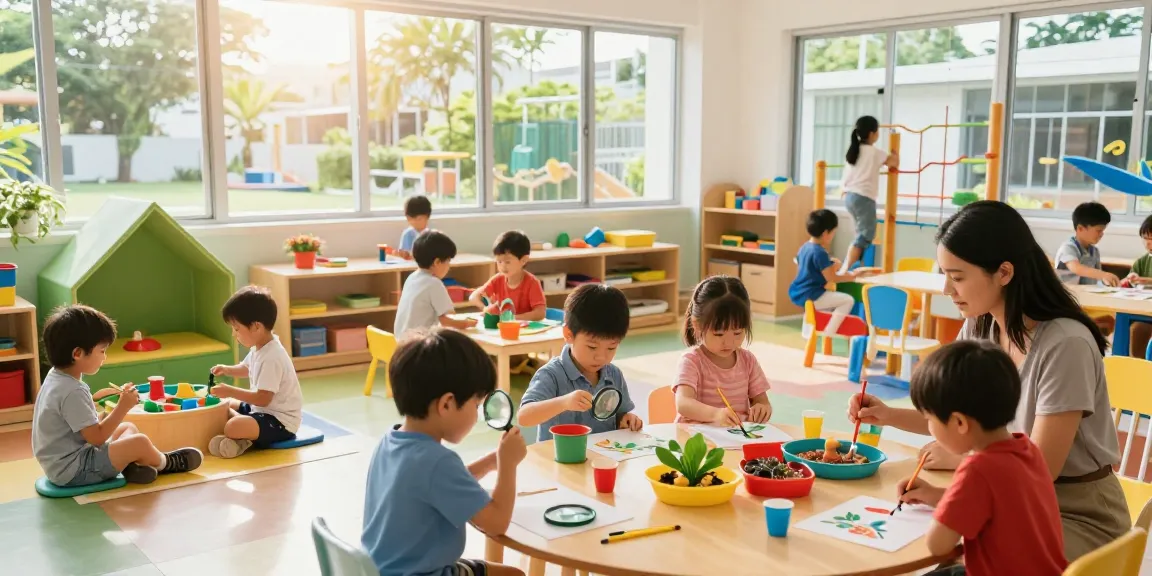
Hands-on learning activities allow children to engage with concepts actively, rather than passively receiving information. This experiential learning enables children to apply their knowledge in real-world situations, enhancing comprehension and retention of information. Activities such as science experiments, field trips, and art projects are integral to this method.
Parental Involvement in Kindergarten Singapore
Engaging parents in their child’s education is crucial for maximizing developmental outcomes. Schools that foster a collaborative environment between educators and families often see enhanced growth and learning in their students.
Strategies for Effective Collaboration with Educators
To foster effective collaboration, parents should stay informed about the school’s curriculum, participate in school events, and maintain open communication with teachers. Regular feedback and discussions with educators encourage a comprehensive understanding of a child's progress and areas for improvement.
The Impact of Home Learning on Kindergarten Readiness
Home learning experiences, such as reading together, engaging in educational games, and encouraging curiosity, play a significant role in preparing children for kindergarten. Parents who actively involve their children in learning activities help foster a supportive educational environment that reinforces classroom learning.
Building a Supportive Community for Families
A supportive community can significantly enhance a family's experience in a kindergarten setting. Schools can facilitate this by organizing parent groups, workshops, and social events that foster connections among families, creating a nurturing environment for both children and their parents.
Future Trends in Kindergarten Education in Singapore
As the educational landscape continues to evolve, several emerging trends are shaping the future of kindergarten education in Singapore, driven by technology, inclusion, and global perspectives.
Emerging Technologies and Their Role in Early Education
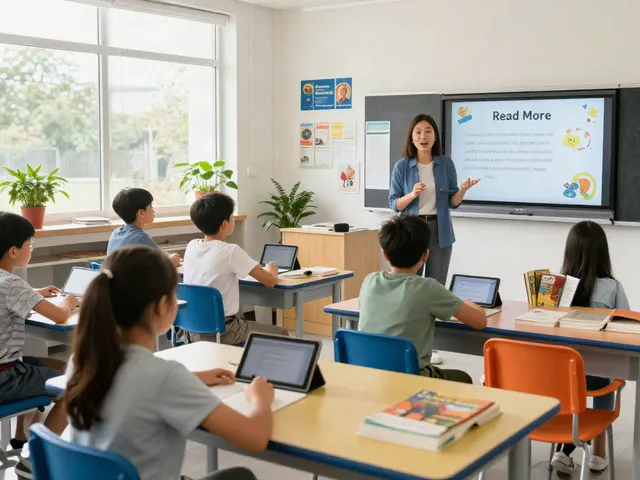
With the rise of digital technology, many kindergartens are integrating educational apps and platforms that promote interactive learning. Augmented reality (AR) and virtual reality (VR) are being explored to enhance engagement and understanding of complex concepts through immersive experiences.
Inclusive Practices for Diverse Learning Needs
Inclusion in educational practices is becoming increasingly important, with kindergartens adopting strategies to cater to diverse learning needs. This approach ensures that all children, regardless of their backgrounds or abilities, can thrive in an inclusive educational environment.
Predictions for Kindergarten Education by 2026
By 2026, it is anticipated that kindergartens will be more personalized, utilizing data analytics to tailor educational experiences to individual children's needs. The focus on emotional intelligence and social skills will likely continue to grow, preparing children not just academically but also socially for their futures.
What Parents Should Know About Kindergarten Educational Policies?
Staying informed about educational policies can help parents navigate the kindergarten landscape effectively. Awareness of government initiatives, funding options, and curriculum changes is crucial for making informed decisions regarding their child's education.
How to Prepare Your Child for a Successful Transition to Primary School?
Preparing for primary school involves fostering independence and encouraging social interactions. Activities such as playdates, group activities, and visits to the primary school can help children adjust to the new environment and expectations.
What Are the Benefits of Enrolling in a Trilingual Kindergarten?
Enrolling in a trilingual kindergarten has significant benefits, including enhanced cognitive flexibility, improved communication skills, and greater cultural awareness. Exposure to multiple languages at an early age prepares children for a diverse and interconnected world.
How Does Parental Involvement Enhance Kindergarten Experiences?
Parental involvement not only enriches a child’s educational journey but also strengthens the bond between parents and teachers. This collaborative approach enhances children’s confidence and engagement in their learning processes.
What Are Common Misconceptions About Kindergarten Singapore?
Many parents harbor misconceptions regarding kindergarten, such as the belief that it is merely a preparatory stage for primary school. In reality, kindergartens are dynamic learning environments that focus on the holistic development of children through play, exploration, and inquiry.
How Can You Evaluate the Quality of a Kindergarten Program?
When evaluating a kindergarten program, look for indicators such as teacher qualifications, curriculum structure, student engagement, and the school's reputation. Parent testimonials and school visits can also provide valuable insights into the quality of education offered.