
Understanding Hair Transplants: A Comprehensive Overview
Hair loss can be a distressing experience, affecting self-esteem and confidence. Fortunately, advancements in medical technology have made hair restoration procedures increasingly effective. Among the various options available, hair transplant istanbul has emerged as a popular choice for individuals seeking to restore their hair. This guide aims to provide a thorough understanding of hair transplants, the techniques available, and what you can expect throughout the process.
What is a Hair Transplant?
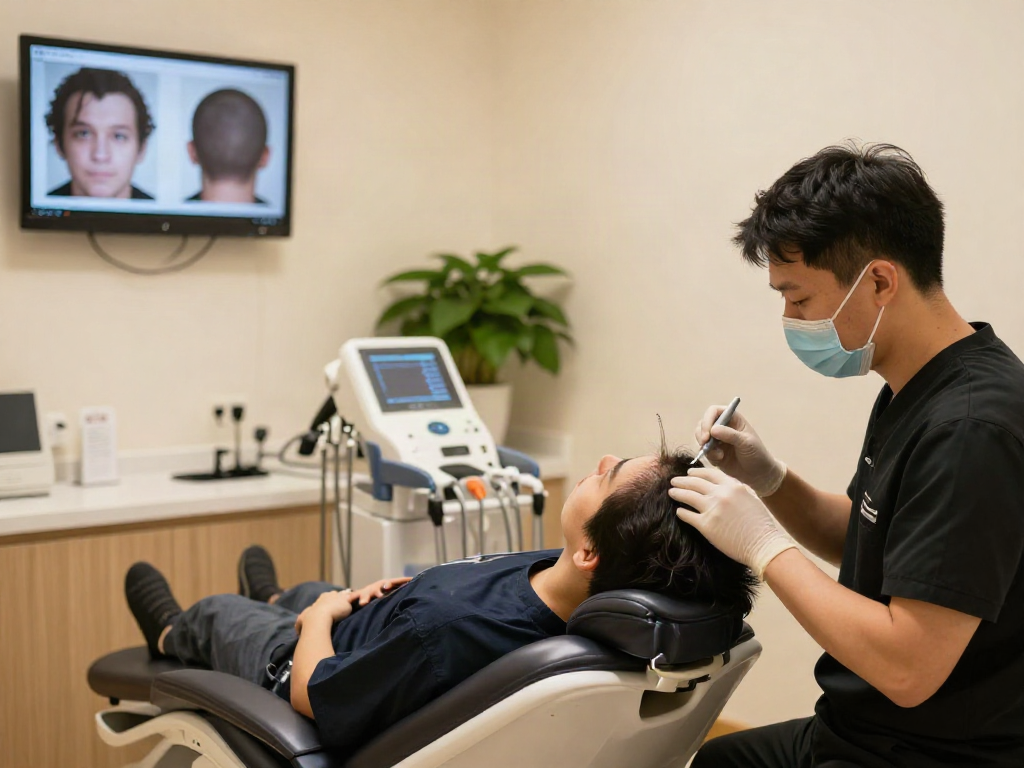
A hair transplant is a surgical procedure that involves transferring hair follicles from a donor site to a balding or thinning area on the scalp. This technique is typically utilized for those experiencing male or female pattern baldness, and it can also be used to restore hair on other parts of the body. The primary goal is to create a natural-looking hairline and enhance the density of hair in affected areas.
Types of Hair Transplant Techniques
There are primarily two hair transplant techniques widely recognized in the industry:
- Follicular Unit Transplantation (FUT): Often referred to as the strip method, FUT involves removing a strip of skin from the donor area, typically the back of the head. The strip is then dissected into individual follicular units that are transplanted into the thinning areas. This method is effective for larger areas of hair loss.
- Follicular Unit Extraction (FUE): In this technique, individual hair follicles are harvested directly from the donor area without removing a strip of skin. FUE is less invasive, results in minimal scarring, and offers a quicker recovery time. It is particularly suited for those looking for a less noticeable procedure.
Benefits of Choosing Istanbul for Hair Restoration
Istanbul has become a hub for medical tourism, especially for hair transplants, offering numerous advantages:
- Cost-Effectiveness: Hair transplant costs in Istanbul are significantly lower than in many Western countries, making it an attractive option for those seeking quality without breaking the bank.
- Expertise and Experience: Many clinics in Istanbul boast highly trained surgeons with extensive experience in hair restoration procedures. This is often coupled with advanced technology and techniques.
- Comprehensive Packages: Many clinics offer all-inclusive packages that cover surgery, accommodation, and post-operative care, providing a streamlined experience for international patients.
How to Choose the Right Clinic for Hair Transplant in Istanbul
Key Factors to Consider When Selecting a Clinic
When looking for a hair transplant clinic in Istanbul, consider the following key factors:
- Accreditation: Verify that the clinic is accredited by relevant medical authorities. This ensures adherence to safety and health standards.
- Surgeon Qualifications: Research the qualifications and experience of the surgeons. Look for clinics with board-certified surgeons specializing in hair restoration.
- Technology and Techniques: Inquire about the technologies and techniques used in the procedures. Clinics utilizing the latest advancements often yield better results.
Questions to Ask Your Potential Surgeon
Before committing to a procedure, here are some important questions to ask during your consultation:
- What is your experience with the specific hair transplant technique I am considering?
- Can you provide before-and-after photos of previous patients?
- What is the expected recovery time, and how will you manage pain during the procedure?
Reading Reviews and Evaluating Credibility
Patient testimonials and reviews can provide valuable insights into the quality of care provided by a clinic. Look for reviews on independent platforms and social media to gauge the experiences of former patients. This will help you evaluate the credibility and reputation of the clinic.
The Procedure: What to Expect During Your Hair Transplant
Step-by-Step Breakdown of the Hair Transplant Process
The hair transplant procedure typically unfolds in several stages:
- Consultation: Initial consultations involve assessments of hair loss and discussions regarding desired outcomes.
- Preparation: The donor area is prepared, and anesthesia is administered to ensure comfort during the procedure.
- Extraction: Depending on the technique, hair follicles are either extracted individually (FUE) or a strip is removed (FUT).
- Implantation: The extracted follicles are carefully implanted into the thinning areas, following a natural hair growth pattern.
- Post-Procedure Care: Instructions for post-operative care are provided to support healing and optimize results.
Post-Procedure Care and Recovery Expectations
Post-operative care is crucial for a successful hair transplant. Patients should:
- Avoid strenuous activities and sun exposure for a few weeks.
- Follow the surgeon's instructions regarding medication and hair care products.
- Attend follow-up appointments to monitor healing and hair growth.
New hair growth typically begins within three to six months, with full results visible around one year post-surgery.
Real Patient Experiences: Before and After Stories
Many patients share their transformative journeys after hair restoration. These stories often highlight improvements not just in appearance but also in self-confidence and quality of life. Such testimonials can be inspiring and provide a realistic expectation of results.
Cost Factors: What to Know About Hair Transplant Pricing in Istanbul
Understanding Pricing Structures and Packages
The cost of a hair transplant in Istanbul can vary widely based on several factors, including:
- The technique used (FUT vs. FUE)
- The extent of hair loss and the number of grafts needed
- Included services such as post-operative care and accommodation
Cost Comparison with Other Destinations
Comparing hair transplant costs between Istanbul and other popular destinations, such as the UK or the US, reveals a significant disparity. Patients can often save up to 60% by choosing Istanbul while accessing the same level of expertise and quality.
Financial Considerations and Payment Options
Many clinics offer flexible payment plans, enabling patients to manage costs more effectively. Additionally, some clinics provide financing options or partnerships with medical loans to help ease the financial burden.
The Future of Hair Transplant Technology: Trends for 2026 and Beyond
Innovations in Hair Restoration Techniques
The field of hair restoration is evolving, with upcoming technologies like robotic hair restoration, which offers precision in extraction and implantation, promising even better outcomes for patients in the future.
Predictions for the Hair Transplant Market
Market analysis suggests steady growth in the hair transplant industry, driven by increasing awareness of hair restoration options and the growing demand for aesthetic enhancements. Istanbul is likely to maintain its status as a key player in this market.
How Technology is Enhancing Patient Experiences
Advancements in telemedicine allow for virtual consultations and follow-ups, enhancing the patient experience by providing convenience and accessibility. Moreover, techniques that reduce downtime and discomfort are becoming more prevalent, allowing patients to return to their daily lives more quickly.
What Are the Risks of Hair Transplant?
As with any surgical procedure, hair transplants carry potential risks, including:
- Infection at the donor or recipient site
- Scarring, particularly with FUT
- Unnatural hair growth patterns if not done expertly
How Long Does a Hair Transplant Last?
With proper care, a hair transplant can provide long-lasting results. Most transplanted hair will grow for many years, while some may fall out initially before new growth begins, a normal part of the process.
Is a Hair Transplant Permanent?
Yes, hair transplants are considered permanent, as the transplanted hair follicles are taken from areas that are genetically resistant to balding. However, it is essential to maintain realistic expectations, as natural hair loss can continue in non-transplanted areas.
Can Hair Transplants be Reversed?
Reversing a hair transplant is typically challenging and not commonly performed. While some techniques may allow for the removal of transplanted grafts, the results are not guaranteed, and care should be taken when considering reversal options.
What is the Recovery Time for Hair Transplants?
Recovery time varies based on the individual and the technique used. Most patients can return to their regular activities within a week, but complete healing and hair regrowth may take several months to a year.