Understanding the Role of CNC Machining in Aerospace Manufacturing
CNC machining holds a pivotal role in the aerospace manufacturing sector, offering precision, efficiency, and adaptability that are crucial for producing components that meet stringent industry standards. As we continue to push the boundaries of technology and innovation, the aerospace industry demands parts that not only perform exceptionally but also comply with rigorous safety regulations. This is where professional CNC machining services come into play, providing capabilities that align with the specific needs of aerospace applications. When exploring options, leading aerospace cnc parts manufacturers deliver customized solutions tailored to unique project requirements.
What is CNC Machining and Why is it Essential?
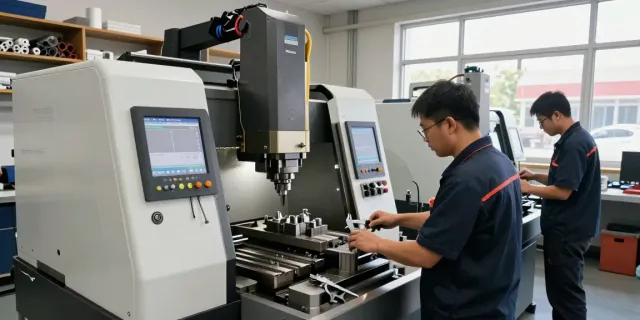
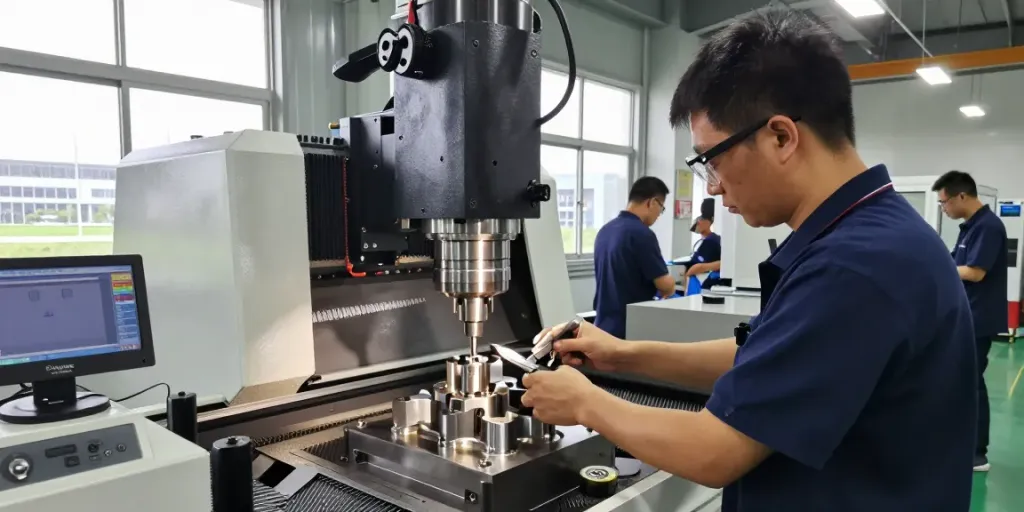
CNC machining, or Computer Numerical Control machining, refers to the automated control of machining tools through a computer. This technology allows for precise manufacturing of components by interpreting designs from CAD (Computer-Aided Design) software into machine commands. In aerospace, CNC machining is essential because it enables the production of complex geometries required for various aircraft components, such as engine mounts, brackets, and housings, while ensuring high levels of accuracy. The use of CNC machines reduces human error, enhances reproducibility, and allows for rapid iteration in the design process.
Key Benefits of CNC Machining for Aerospace Applications
- Precision and Accuracy: CNC machines operate with exceptional precision, ensuring that parts meet exact specifications even in large production runs.
- Efficiency: Automated processes lead to faster production cycles, making it possible to produce parts on-demand and reduce lead times.
- Material Versatility: CNC machining can work with a wide range of materials, including metals and plastics, making it suitable for various aerospace applications.
- Cost-Effectiveness: Over time, the automation of production processes can lower manufacturing costs despite initial setup investments.
Common CNC Machining Processes Used in Aerospace
A range of CNC machining processes is utilized in the aerospace sector, including:
- CNC Milling: Involves removing material from a workpiece using rotary cutters to create complex shapes and features.
- CNC Turning: Used for cylindrical parts, this process rotates the workpiece against a cutting tool to achieve diametrical Precision.
- CNC Electrical Discharge Machining (EDM): Employs electrical sparks to erode material, particularly useful for hard materials.
- CNC Grinding: A finishing process that provides high accuracy and enhances surface finish on parts.
Top Materials for Aerospace CNC Machining
The selection of materials is critical in aerospace CNC machining, affecting the performance, durability, and safety of components. Understanding the characteristics and applications of various materials can help manufacturers make informed decisions during the production process.
Metal Materials: The Backbone of Aerospace Parts
Metals are widely used in aerospace applications due to their strength-to-weight ratios and resistance to extreme conditions. Commonly used metals include:
- Aluminum: Lightweight and corrosion-resistant, making it ideal for aircraft structures.
- Titanium: Known for its high strength and low density, titanium is often used in components subject to high stress and heat.
- Stainless Steel: Offers excellent corrosion resistance and is often employed in critical components.
- Copper Alloys: Used for electrical components due to their high conductivity.
Plastic Materials: Versatile Options for Aerospace Components
While metals dominate the aerospace field, plastics are also increasingly used for specific applications due to their lightweight and insulating properties. Common plastic materials include:
- Polypropylene (PP): Used for lightweight and corrosion-resistant components.
- Polyurethane (PU): Known for its flexibility and durability, suitable for various applications.
- Polycarbonate (PC): Used for impact-resistant components.
- ABS (Acrylonitrile Butadiene Styrene): Valued for its toughness and ease of fabrication.
Material Selection Considerations for Aerospace Projects
Choosing the right material for aerospace projects involves several factors, including:
- Weight Restrictions: Lightweight materials can enhance fuel efficiency.
- Tensile Strength: Materials need to withstand high stress and fatigue.
- Corrosion Resistance: Essential for components exposed to harsh environments.
- Cost Effectiveness: Balancing performance with material costs is crucial for project viability.
Choosing the Right Aerospace CNC Parts Manufacturer
With numerous manufacturers in the aerospace industry, selecting the right CNC parts manufacturer can be daunting. Evaluating potential partners involves understanding their capabilities, certifications, and technological expertise.
Critical Factors to Consider When Selecting a Manufacturer
When looking for a reliable aerospace CNC parts manufacturer, consider these critical factors:
- Experience: Look for manufacturers with a proven track record in aerospace applications.
- Technology: Assess the machining technology and equipment used for production.
- Certification: Ensure the manufacturer adheres to industry standards like AS9100 or ISO 9001.
- Customer Support: A manufacturer that offers solid customer support can make the process smoother.
Evaluating Quality Assurance and Certification Standards
Quality assurance is paramount in aerospace manufacturing. Verify that the manufacturer employs robust quality control measures throughout the production process. Certification from recognized bodies indicates adherence to high standards and can significantly reduce the risk of defects in your components.
How to Assess Manufacturer Capabilities and Technology
Understanding a manufacturer's capabilities is crucial in ensuring they can meet project requirements. Consider asking about their machinery, materials they can process, and their experience with specific aerospace applications. Additionally, inquire about their prototyping capabilities, as this can be crucial for iterative design processes.
From Prototypes to Mass Production: The CNC Machining Process
The transition from prototype development to mass production involves a series of well-defined steps. A structured approach ensures that quality and efficiency are maintained throughout the production cycle.
Steps in Developing Custom Aerospace Prototypes
Developing custom aerospace prototypes typically follows these steps:
- Concept Development: Initial design and concept validation through simulations and models.
- Material Selection: Choosing suitable materials based on performance criteria.
- Machining Process Definition: Determining the best machining processes for the design.
- Prototype Fabrication: Producing the initial prototypes for testing and evaluation.
- Testing and Validation: Rigorous testing to ensure prototypes meet all specifications.
Transitioning from Prototypes to Full-Scale Production
Once prototypes are validated, the next phase involves scaling up production. This requires meticulous planning, including:
- Design Adjustments: Making any necessary design modifications based on prototype testing.
- Production Planning: Establishing production timelines and resource allocations.
- Supplier Coordination: Ensuring timely delivery of materials and parts from suppliers.
Managing Production Timelines and Costs Effectively
Effective production management is vital for maintaining timelines and controlling costs. Implementing lean manufacturing principles can help reduce waste while enhancing efficiency. Regular communication with all stakeholders, including suppliers and clients, also fosters transparency and facilitates smoother operations.
Future Trends in Aerospace CNC Machining for 2026
As we look ahead to 2026, several trends are set to shape the future of aerospace CNC machining, driven by advancements in technology and new operational challenges.
Emerging Technologies Shaping the Aerospace Industry
Innovations such as additive manufacturing, advanced robotics, and AI-driven analytics are transforming how aerospace components are designed and produced. Companies that adopt these technologies will likely gain a competitive edge in the market.
Sustainability Practices in Aerospace Manufacturing
Sustainability is becoming increasingly important in aerospace manufacturing. Manufacturers are exploring options to reduce their environmental footprint, including using eco-friendly materials and optimizing energy consumption during production. This not only aligns with regulatory demands but also appeals to environmentally conscious consumers.
Predictions for CNC Machining Advancements in Aerospace
Looking forward, we can expect significant advancements in CNC machining techniques. Enhanced software solutions will improve design accuracy and reduce lead times, while advanced materials will enable the manufacture of stronger and lighter components. The integration of Industry 4.0 technologies will also revolutionize manufacturing processes, leading to smarter and more efficient operations.