Understanding CNC Machine Shops
CNC machine shops play a pivotal role in the manufacturing industry, specializing in the precision machining of components used across various sectors. At their core, these facilities leverage advanced computer numerical control (CNC) technologies to automate the creation of intricately designed parts. This article delves into the essence of CNC machine shops, their integral services, and why they are indispensable in modern manufacturing. When exploring options, cnc machine shop offers a comprehensive blend of quality, experience, and service excellence.
What is a CNC Machine Shop?
A CNC machine shop is a specialized facility that utilizes computer-controlled machines for the fabrication of parts and assemblies. These shops employ CNC technology to enhance the precision and efficiency of manufacturing processes, enabling them to produce complex geometries and maintain tight tolerances. Unlike traditional machining methods, CNC machining allows for automation, reducing the risk of human error and ensuring consistent quality across production runs.
Core Services Offered by CNC Machine Shops
CNC machine shops typically provide a wide array of services, including but not limited to:
- CNC Machining: This includes milling, turning, and drilling operations where precision is paramount.
- Custom Mold Manufacturing: Producing molds for various applications across different industries.
- Part Prototyping: Rapid prototyping services to help clients visualize their designs before full production.
- Manufacturing of Specialized Fasteners: Tailoring fastener solutions specific to client requirements.
- Industrial Repairs: Providing maintenance and repair services for machinery to ensure operational efficiency.
Importance of CNC Machining in Modern Manufacturing
In today's fast-paced manufacturing environment, CNC machining is crucial for several reasons:
- Precision: CNC machines are capable of producing parts with an accuracy of up to a few thousandths of an inch.
- Speed: Automated processes significantly reduce production time, allowing businesses to meet tight deadlines.
- Cost-Effectiveness: While the initial investment in CNC technology can be high, the long-term savings through reduced labor costs and minimized waste are substantial.
- Flexibility: CNC machines can be quickly reprogrammed to produce different parts, making them ideal for small-batch production.
Key Technologies in CNC Machining
State-of-the-Art Equipment in CNC Machine Shops
Modern CNC machine shops are equipped with a variety of high-tech machinery, including:
- CNC Lathes: For shaping materials through rotational motion.
- CNC Mills: For precise cutting operations on flat surfaces.
- 3D Printers: Expanding capabilities into additive manufacturing for prototyping and small batch production.
- Laser Cutters: For intricate designs on various materials.
How Technology Enhances Precision and Efficiency
The integration of advanced technologies within CNC machine shops has revolutionized manufacturing practices. For instance, CAD (Computer-Aided Design) software allows for intricate designs to be created digitally before being translated into CNC instructions. This ensures that every part produced is accurate to the desired specifications. Additionally, technology such as IoT (Internet of Things) enables real-time monitoring of machine performance, minimizing downtime and optimizing workflow.
Emerging Trends in CNC Machining Technologies for 2026
As we move towards 2026, several trends are poised to reshape the landscape of CNC machining:
- Increased Automation: More CNC shops are adopting fully automated systems to improve efficiency.
- Integration of AI: Artificial intelligence is being used for predictive maintenance and quality control.
- Sustainability Practices: Eco-friendly manufacturing processes are becoming more prevalent, focusing on reducing waste and energy consumption.
Industry Applications of CNC Machining
Customized Solutions for Diverse Industries
CNC machining serves a multitude of industries. Some notable applications include:
- Aerospace: Manufacturing lightweight and high-precision components for aircraft.
- Automotive: Producing specialized parts that require tight tolerances for optimal performance.
- Medical: Creating custom implants and surgical instruments designed for specific medical needs.
- Electronics: Fabrication of intricate enclosures and components for electronic devices.
Case Studies of Successful CNC Projects
Case studies highlight the effectiveness of CNC machining in real-world applications. For example:
- Aerospace Component Manufacturing: A CNC machine shop collaborated with an aerospace company to produce a complex bracket that reduced weight by 15%, enhancing fuel efficiency.
- Custom Medical Solutions: A medical device manufacturer worked with a CNC shop to fabricate custom prosthetic limbs, resulting in improved fit and functionality.
Challenges in Specialized CNC Applications
While CNC machining offers numerous advantages, there are challenges that shops may encounter, including:
- Material Limitations: Certain materials may be difficult to machine, requiring specialized tools and techniques.
- Cost Management: Balancing quality and cost while maintaining precision can be a tightrope walk for many manufacturers.
- Technology Upgrades: Keeping up with rapid technological changes necessitates ongoing investment and training.
Quality Assurance in CNC Machining
ISO 9001 Standards and Their Significance
ISO 9001 certification signifies that a CNC machine shop adheres to the highest quality management standards. This certification helps ensure that the products manufactured meet consistent quality benchmarks, fostering trust and reliability among clients.
Testing and Inspection Processes in CNC Shops
Robust testing and inspection processes are integral to maintaining quality in CNC machining. Common practices include:
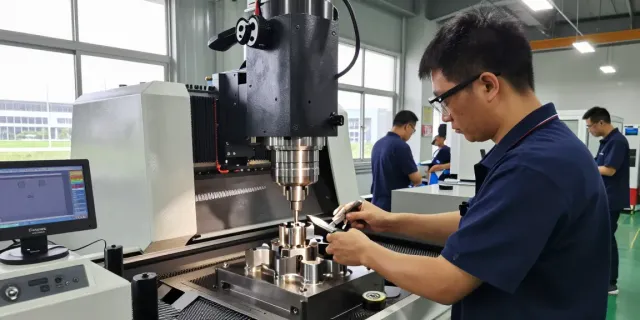
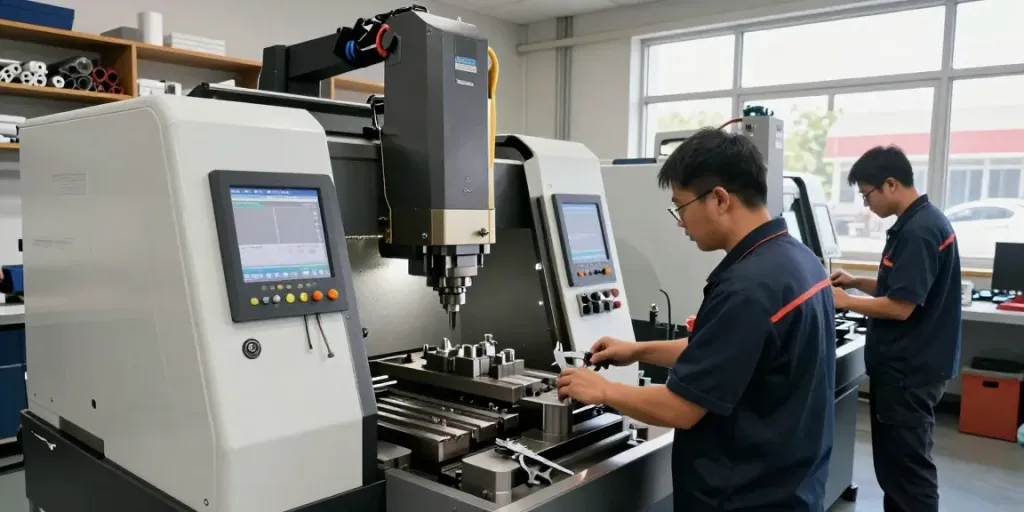
- Dimensional Inspection: Utilizing calipers and micrometers to measure the physical characteristics of parts.
- Functional Testing: Ensuring that parts perform as intended under operational conditions.
- Non-Destructive Testing (NDT): Techniques such as ultrasonic or X-ray testing to identify internal flaws without damaging the part.
Ensuring Customer Satisfaction Through Quality Products
At the heart of CNC machine shops lies a commitment to exceeding customer expectations. This involves not only delivering high-quality parts but also maintaining open communication with clients, facilitating timely updates, and promptly addressing concerns. In doing so, machine shops build lasting relationships that enhance customer loyalty.
The Future of CNC Machine Shops
Predicted Innovations in CNC Machining
The future of CNC machine shops looks promising, with innovations expected in automation, materials science, and software development. Advances such as collaborative robots (cobots) will enable a synergistic workforce, where machines and human operators work together seamlessly to optimize production.
How CNC Shops Can Adapt to Market Changes
Flexibility and adaptability are crucial in the evolving landscape of CNC machining. Shops must stay informed about market trends and emerging technologies, ensuring they can pivot operations as necessary. Embracing concepts such as lean manufacturing and agile methodologies will empower CNC shops to respond to fluctuations in demand efficiently.
Strategies for Success in the CNC Industry by 2026
To achieve success in the rapidly changing CNC industry, shops should consider the following strategies:
- Invest in Continuous Learning: Keeping the workforce updated with the latest skills and knowledge of CNC technologies.
- Explore New Markets: Identifying and entering emerging markets or niches can provide new avenues for growth.
- Focus on Sustainability: Integrating environmentally friendly practices into operations can enhance brand reputation while appealing to environmentally conscious clients.