Understanding the Water Reclaim System
The importance of efficient water use has never been more pressing than it is today. With growing populations and increasing industrial demands, adopting innovative strategies for water conservation is essential. One of the most effective methods in this realm is utilizing a Water Reclaim System, which can help to recycle wastewater into usable water for various applications. This article will explore the ins and outs of water reclaim systems, including their components, benefits, challenges, and future trends.
What is a Water Reclaim System?
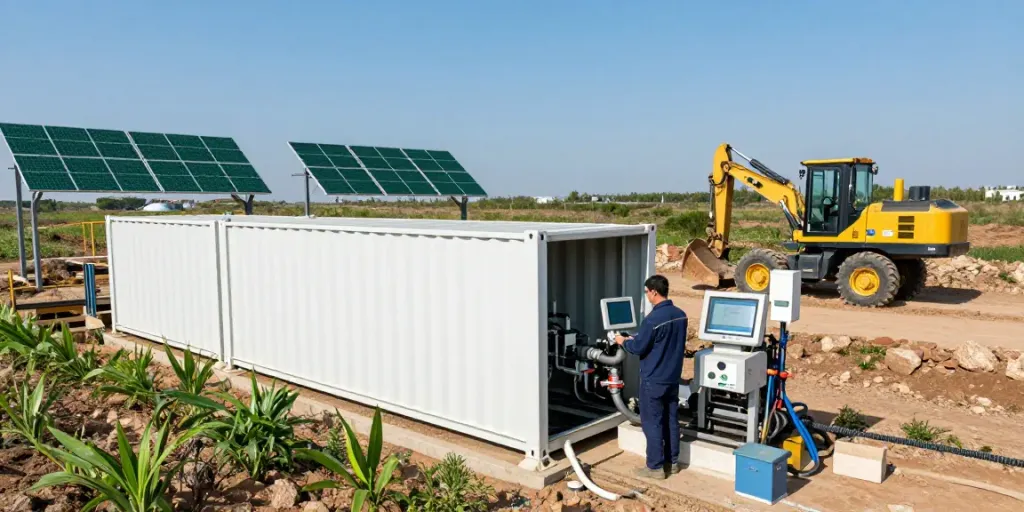
A water reclaim system is a sophisticated setup designed to treat and recycle wastewater for reuse. These systems can process various types of wastewater—industrial, municipal, greywater, and even rainwater—transforming them into high-quality reusable water. By employing advanced treatment technologies such as membrane bioreactors (MBR), ultrafiltration (UF), and reverse osmosis (RO), these systems ensure that reclaimed water meets or exceeds required standards for its intended use.
Key Components of Reclaimed Water Systems
- Membrane Bioreactor (MBR): This technology integrates biological treatment processes with membrane filtration, providing a compact solution for effective wastewater treatment.
- Ultrafiltration (UF): UF removes suspended solids, bacteria, and viruses, enhancing the quality of reclaimed water.
- Reverse Osmosis (RO): RO systems further purify water, removing dissolved salts and impurities to produce high-quality effluent suitable for various applications.
- Disinfection Systems: Technologies like UV irradiation or chlorination are used to eliminate pathogens and ensure the safety of reclaimed water.
- Control Systems: Automated controls and monitoring systems are crucial for ensuring operational efficiency and compliance with standards.
The Importance of Water Reclamation for Sustainability
Water reclamation plays a crucial role in sustainable resource management. By recycling wastewater, we can significantly reduce the demand for freshwater sources, benefitting both the environment and local communities. This practice also mitigates the adverse effects of wastewater discharge into natural water bodies, helping to preserve aquatic ecosystems. Furthermore, reclaimed water can alleviate pressure on existing water supplies, especially in areas prone to drought or water scarcity.
Benefits of Implementing a Water Reclaim System
Cost Savings in Water Usage
Utilizing reclaimed water can lead to considerable cost savings for businesses and municipalities. By reducing dependency on treated potable water sources, organizations can significantly lower their water bills. Additionally, wastewater treatment facilities can decrease operational costs related to water treatment and disposal. For instance, industries that implement water reclaim systems have reported savings of up to 75% on their overall water costs.
Environmental Impact and Resource Conservation
Reclaiming water not only conserves freshwater resources but also contributes to a reduction in energy consumption associated with water production and transportation. By reusing water for irrigation, industrial processes, or even toilet flushing, we reduce the overall demand on municipal water systems, leading to less environmental degradation and lower carbon footprints.
Improving Water Quality for Reuse
Advanced treatment technologies ensure that reclaimed water meets high-quality standards suitable for reuse. This not only helps industries maintain operational efficiency but also protects public health by ensuring that recycled water is safe for its intended applications. Continued advancements in technology will further enhance the quality of reclaimed water, expanding its potential uses.
Challenges in Water Reclamation Processes
Common Misconceptions About Water Reclaim Systems
There are many misconceptions surrounding water reclaim systems, primarily surrounding safety and quality. Some people believe that reclaimed water is unsafe for irrigation or industrial use, but when treated correctly, it meets stringent health and safety regulations. Proper education and outreach are essential to dispel these myths and encourage broader acceptance of reclaimed water.
Technical Difficulties and Solutions
Implementing a water reclaim system can present technical challenges, including system design, maintenance, and operational monitoring. However, these can be addressed through careful planning and the integration of reliable technology. Frequent maintenance and operator training are essential to ensure optimal performance and longevity of the systems.
Regulatory Considerations in Water Reclamation
Water reclamation is subject to various regulations that can vary widely by region. Adhering to local, state, and federal guidelines is critical for successful implementation. Therefore, engaging in thorough research and collaboration with regulatory bodies during system design and implementation can facilitate compliance while optimizing system performance.
Best Practices for Successful Water Reclamation
Designing an Efficient Water Reclaim System
Designing an effective water reclaim system requires careful consideration of the intended application, local regulations, and specific water quality requirements. A holistic approach that includes stakeholder participation can lead to better outcomes and increased acceptance of the reclaimed water.
Technology Integration: MBR, UF, and RO Technologies
Successful water reclamation relies heavily on the integration of advanced treatment technologies. Employing a combination of MBR, UF, and RO ensures comprehensive treatment of wastewater, resulting in high-quality reclaimed water suitable for various applications. To remain competitive, industries should invest in the latest technologies and methodologies to enhance their water reclamation processes.
Maintenance and Operation Recommendations
Regular maintenance and monitoring of water reclaim systems are crucial for their efficiency and effectiveness. Implementing a scheduled maintenance program, utilizing condition-based monitoring technologies, and training staff on best practices can significantly improve system performance and ensure compliance with water quality standards.
The Future of Water Reclaim Systems
Emerging Trends in Water Reclamation Technologies for 2026
As we move towards 2026, several trends are emerging in water reclamation technology. These include the adoption of artificial intelligence for real-time monitoring, advancements in membrane technologies that increase efficiency and reduce costs, and the development of decentralized systems that provide localized solutions for water reuse. Additionally, integration with smart city infrastructure will enhance the capabilities of water reclaim systems.
Predictions for the Water Reclamation Industry
Experts predict that the global water reclamation market will expand substantially in the coming years, driven by the increasing need for sustainable water management solutions. Governments and organizations are expected to invest more in water reclamation projects, leading to innovation and enhanced technologies that will make these systems even more efficient and accessible.
Case Studies of Successful Implementations
Several municipalities and industries have successfully implemented water reclaim systems, showcasing their viability and benefits. For example, urban areas in California have adopted reclaimed water systems for irrigation and landscaping, significantly reducing reliance on potable water. Similarly, industries across sectors—such as food processing and construction—are increasingly utilizing reclaimed water to lower costs and enhance sustainability profiles.
What are the benefits of using a water reclaim system?
The primary benefits include cost savings on water usage, environmental conservation, and improved water quality for various applications. These systems also contribute to the sustainability of water resources, essential in drought-prone regions.
Is reclaimed water safe for irrigation?
Yes, when treated properly, reclaimed water is safe for irrigation and adheres to strict health and safety regulations. Many successful irrigation practices are already in place globally, utilizing reclaimed water for agricultural and landscaping needs.
How much does a water reclaim system cost?
The cost of a water reclaim system can vary widely based on factors such as capacity, technology used, and specific application requirements. Generally, investing in a reclaim system leads to significant long-term savings on water costs, making it a financially sound decision.
What technologies are used in water reclamation?
Key technologies include membrane bioreactors (MBR), ultrafiltration (UF), and reverse osmosis (RO). These technologies work together to ensure comprehensive treatment of wastewater and the production of high-quality reclaimed water.
How can businesses implement a water reclaim system?
Businesses can begin by assessing their water needs and considering a tailored approach to integrate water reclamation into their operations. Collaborating with experts in the field can provide valuable insights and aid in the selection of appropriate technologies and strategies.